
Kid came in a few weeks back with a shoebox. Grandfather’s old collection, the whole “are any of these worth something” routine we hear probably twice a week. We went through it together. Out of maybe 300 cards, five were worth a real look. The rest were just cards.
That’s usually how it goes, honestly.
But then there are the times someone pulls a single card out of a junk pile at the bottom of a box, and our whole counter goes quiet for a second. That happens too. Less often than people hope. More often than people think.
This is the Pokémon Card Rarity Guide we keep meaning to write down properly, because we explain this stuff verbally to someone new every single week at Weevil Cards & Collectibles. Might as well put it somewhere people can actually read it before they drive over.
We’re at 621 Boll Weevil Cir Ste 32B, Enterprise, AL 36330. Call +1 334-475-4254. Now let’s get into it.
“Old” Doesn’t Automatically Mean “Valuable”
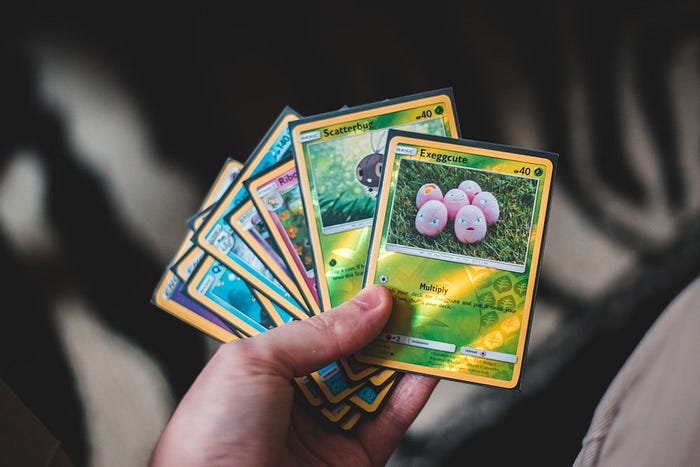
This is the single biggest misunderstanding we deal with. Somebody finds cards from when they were a kid in the 90s and assumes age alone makes them worth something. Sometimes, sure. A lot of the time, no.
Age is one factor among several. Print run size matters more. Condition matters more. What’s actually printed on the card — full art, holo, secret rare numbering — matters more. And weirdly, current pop culture relevance matters a ton too. A character nobody talked about for fifteen years can suddenly spike because of a new show or a viral clip, and that has nothing to do with how old the card is.
So when we say Pokémon Card Rarity Guide, we don’t just mean “here’s a symbol chart.” We mean the whole picture. At Weevil Cards & Collectibles, giving someone a number based only on rarity tier, without checking the actual physical card, is basically just guessing. We don’t do that.
Start With the Symbol — It’s the Quickest Clue
Bottom corner of nearly every modern card. Small symbol. Takes two seconds to check once you know what you’re looking for.
Black Circle — Common
Most of any pack. Most of any box. These are the cards you end up with stacks of and barely glance at. Individually, almost no resale value — though, weirdly, some old commons in mint shape can still pull a few bucks from someone trying to complete a full set.
Black Diamond — Uncommon
One step up. Still not where value typically sits. Worth a quick scan, not worth getting your hopes up.
Black Star — Rare
Now we’re talking. This includes both standard rares and the shiny holo versions — the foil that catches light when you tilt it. Holo rares are the most common “is this worth something?” question we get, and honestly, the answer varies a lot depending on which card and what condition it’s in.
Everything Above Star
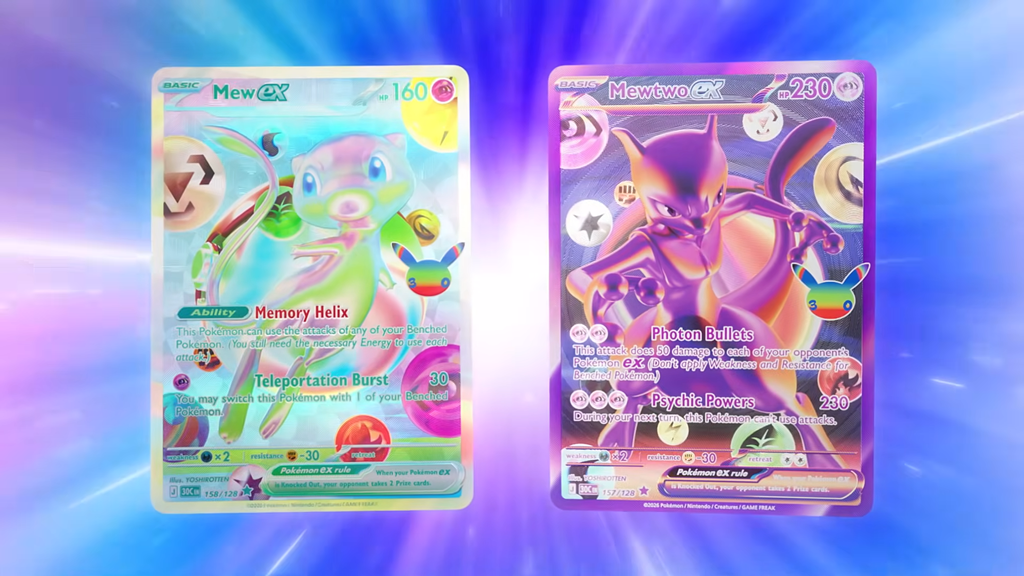
Modern sets have gotten a lot more complicated than the original three tiers. Ultra Rare, Secret Rare, Amazing Rare, Rainbow Rare — depending on the era, you’ll see different labels. Generally, higher tier means a smaller print run and usually more demand. This is exactly where a symbol-only approach falls short, which is the whole point of having an actual Pokémon Card Rarity Guide instead of just memorizing a chart once.
The Card Types That Actually Move the Needle
Symbols are step one. These specific categories tend to carry weight regardless of the basic tier.
Full Art
Artwork stretches across the whole card; sometimes the character spills right into the border. Visually, these just look better, and collectors respond to that. They tend to hold value well, especially for popular characters.
Secret Rares
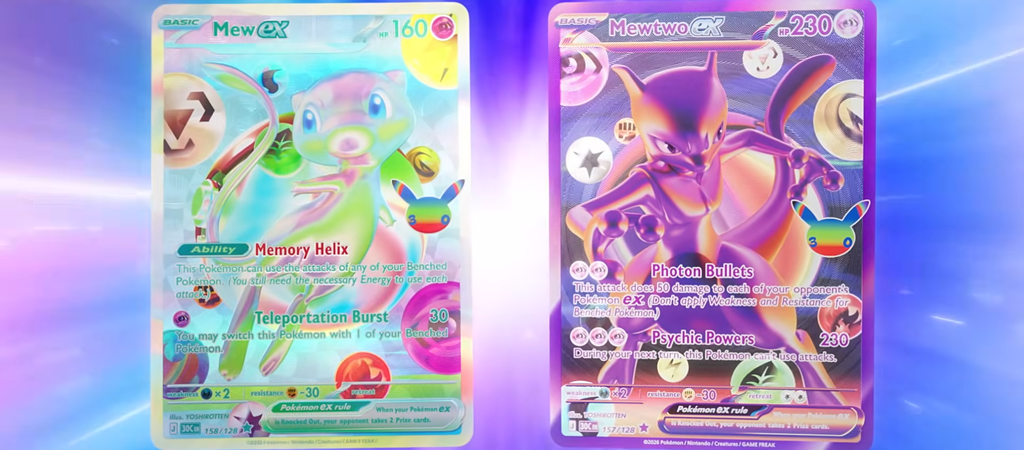
Look at the card number. If it reads something like 201 out of a 198-card set, that’s a secret rare — numbered past the official set count. Gold text, unique art, often one of the strongest pulls available in any given set.
1st Edition
Mostly a Base Set thing. Look for the actual “1st Edition” stamp. Only printed in the very first run before reprints kicked in, which means genuine copies are scarcer than later prints of the exact same card. This is the category that makes people’s hands shake a little when they find one in a box. A clean 1st Edition holo can genuinely be worth a serious amount.
Shadowless
Another Base Set quirk that trips people up constantly. Early prints don’t have a drop shadow behind the artwork box — later prints do. Tiny visual difference, real price difference. People bring these in not even knowing what they have.
Errors and Misprints
Unpredictable category. A misaligned image, wrong text, something that shouldn’t have made it past quality control. Some known errors have become collectible in their own right, purely because they’re mistakes that got out.
Promos
Never sold in regular packs. Tournament giveaways, bundle exclusives, limited event distributions. Some are worth almost nothing. Others — particularly older ones tied to a specific event that didn’t happen again — are genuinely hard to track down.
Here’s the Part Most Online Charts Skip Entirely
Knowing the rarity tier tells you where a card sits on paper. It does not tell you what someone will actually pay for it today. Those are two different questions, and conflating them is where most people go wrong.
Condition Changes Everything
This might honestly matter more than rarity. A rare card with bent corners or whitened edges loses a huge chunk of value compared to the same card in sharp, mint condition. We’ve literally had two copies of the identical card — same set, same print, same rarity — sitting side by side, and one was worth three times the other purely on how it had been stored over the years. Condition isn’t a footnote. It’s often the whole story.
Demand Shifts. Rarity Doesn’t.
The print run for a card is fixed forever. Demand moves constantly. A character gets popular again through a new game or a nostalgic moment, and suddenly older cards featuring them climb in price — regardless of what tier they were printed at. This is why a Pokémon Card Rarity Guide needs to be checked against current activity, not treated like something you memorize once and never revisit.
Grading
A professionally graded card at a high grade typically sells for more than the same raw card, even after accounting for what grading costs. Grading doesn’t change rarity. It verifies the condition in a way buyers trust enough to pay a premium for.
Set Popularity
Some sets are just more beloved. Nostalgia plays into this heavily. A rare card from a beloved set can outsell a similarly rare card from a set nobody particularly remembers fondly.
How to Actually Sort Through Your Own Stack
If you’ve got cards and you want a practical starting point instead of staring at all of them equally:
- Pull anything with a star symbol or higher into its own pile first. This alone usually cuts your workload by 80%.
- Check for special printing — foil, full art, gold text, a 1st Edition stamp. These bump a card up, no matter what its base symbol says.
- Be honest about the condition. Hold it to the light. Check the corners. Don’t talk yourself into “near mint” if it’s clearly been handled a lot.
- Don’t treat one online listing as the final word. Asking prices and actual sale prices are not the same thing, and they vary a lot by platform.
- Bring the promising pile in. Genuinely the fastest path to an accurate answer. Our team at Weevil Cards & Collectibles looks at collections weekly, and it takes a fraction of the time research on your own would.
Protecting What You’ve Got
Whether you’re keeping cards or thinking about selling eventually, condition is one of the few things you actually control. Some habits that matter:
- Sleeve anything that might be worth something. Cheap, takes thirty seconds, prevents most everyday wear.
- Store upright in proper boxes. Loose in a drawer means the edges rub against each other constantly.
- Keep them out of sunlight. Fading happens, and it doesn’t reverse.
- Watch out for humidity. Basements and attics are the two most common storage spots and also the two most common places where cards warp or get moisture damage.
- Handle by the edges. Oils from your hands build up over time and affect the finish more than people expect.
Why People Keep Bringing Their Collections Here
Most people who walk into Weevil Cards & Collectibles aren’t lifelong collectors with a spreadsheet. There’s someone cleaning out a closet. Someone who inherited a box from a relative. A parent trying to help their kid figure out what’s actually worth holding onto. We built this place around giving those people a straight answer — not inflated, not dismissive.
Our team checks symbols, print details, condition, current demand — the whole picture — before putting a number on anything. We’re not going to tell you a stack of commons is a goldmine. We’re also not going to glance at a 1st Edition holo and call it junk. Just an honest read.
We buy, sell, and trade. So whether you’re trying to sell, chasing a specific card you’ve wanted forever, or just curious what’s actually in that box from your closet, we can help with any of it.
Come by 621 Boll Weevil Cir Ste 32B, Enterprise, AL 36330, or call ahead at +1 334-475-4254 to check hours before making the drive. We’re open during regular weekly hours — give us a quick call, and we’ll confirm the best time to bring everything in.
Questions We Field Constantly
How do I know if mine is an original print or a reprint?
Depends a lot on the set. For Base Set, check for the 1st Edition stamp and look closely for the shadowless detail behind the artwork. Other sets use set symbols and copyright dates that can narrow it down. If you’re stuck, this is exactly the kind of thing we can identify in about ten seconds in person at Weevil Cards & Collectibles.
Does holo always mean valuable?
No. Holo treatment generally means at least rare tier, but the actual value still depends on condition, demand for that exact card, and original print numbers. Some holos sell for a few dollars. Others sell for hundreds. The shine alone doesn’t tell you which one you’ve got.
What’s actually different between rare and ultra-rare?
Rare is your basic star symbol. Ultra Rare and Secret Rare sit higher up — usually full art, gold lettering, or rainbow foil versions numbered outside the regular set count. This hierarchy has gotten a lot more complex over the years, which is honestly half the reason a current Pokémon Card Rarity Guide needs updating instead of relying on an old chart from a decade ago.
Should I get cards graded?
Depends entirely on the card. Grading costs money and takes time, so it usually only makes sense for cards already likely to be valuable based on rarity and condition. For most of a typical collection, it’s not worth it. We can help you figure out which specific cards, if any, are even worth the trouble.
I have hundreds of cards. Where do I even begin?
Sort by symbol first, as we mentioned earlier. Pull anything rare-tier or above into its own pile. Bring that smaller stack in and let us take it from there. Way more efficient than researching every single card yourself one by one.
Do you only buy individual cards, or whole collections too?
Both genuinely. Bring in a handful of cards or boxes you’ve never fully gone through. We’ll look at the whole thing and give you a clear answer on what’s worth buying and what it’s worth.
What about damaged cards — are they worthless?
Not worthless. Worth less, usually, but not nothing. Bring them in anyway. Condition affects price; it doesn’t automatically zero it out. We’ll give you a straight read on where it actually stands.
How much can I trust online price guides compared to coming in?
Online guides are a fine starting point, but they often show asking prices, not what cards actually sold for, and they obviously can’t see the real condition of your specific copy. Bringing it into Weevil Cards & Collectibles gets you a much more accurate picture because we’re looking at your actual card, not a stock photo.
Bottom Line
Rarity symbols are a useful starting point, but they’re really just the surface. Condition, current demand, special print features, set popularity — that’s what actually determines what something’s worth. That’s why this whole Pokémon Card Rarity Guide exists in the first place. We wanted something that reflects how this actually works, not just a symbol chart pretending to be the full answer.
If you’ve got a box sitting around that you’ve been meaning to sort through, bring it in. Weevil Cards & Collectibles evaluates collections every week, and we’d rather give you a real answer in five minutes than have you spend a weekend guessing online.
Come See Us — Weevil Cards & Collectibles
🏪 Weevil Cards & Collectibles
📍 621 Boll Weevil Cir Ste 32B, Enterprise, AL 36330, United States
📞 +1 334-475-4254
Stop by with whatever you’ve got, or call first if you want to confirm hours. We buy, sell, and trade — and we’ll give your cards an honest look every time.
📞 Call Now: +1 334-475-4254